
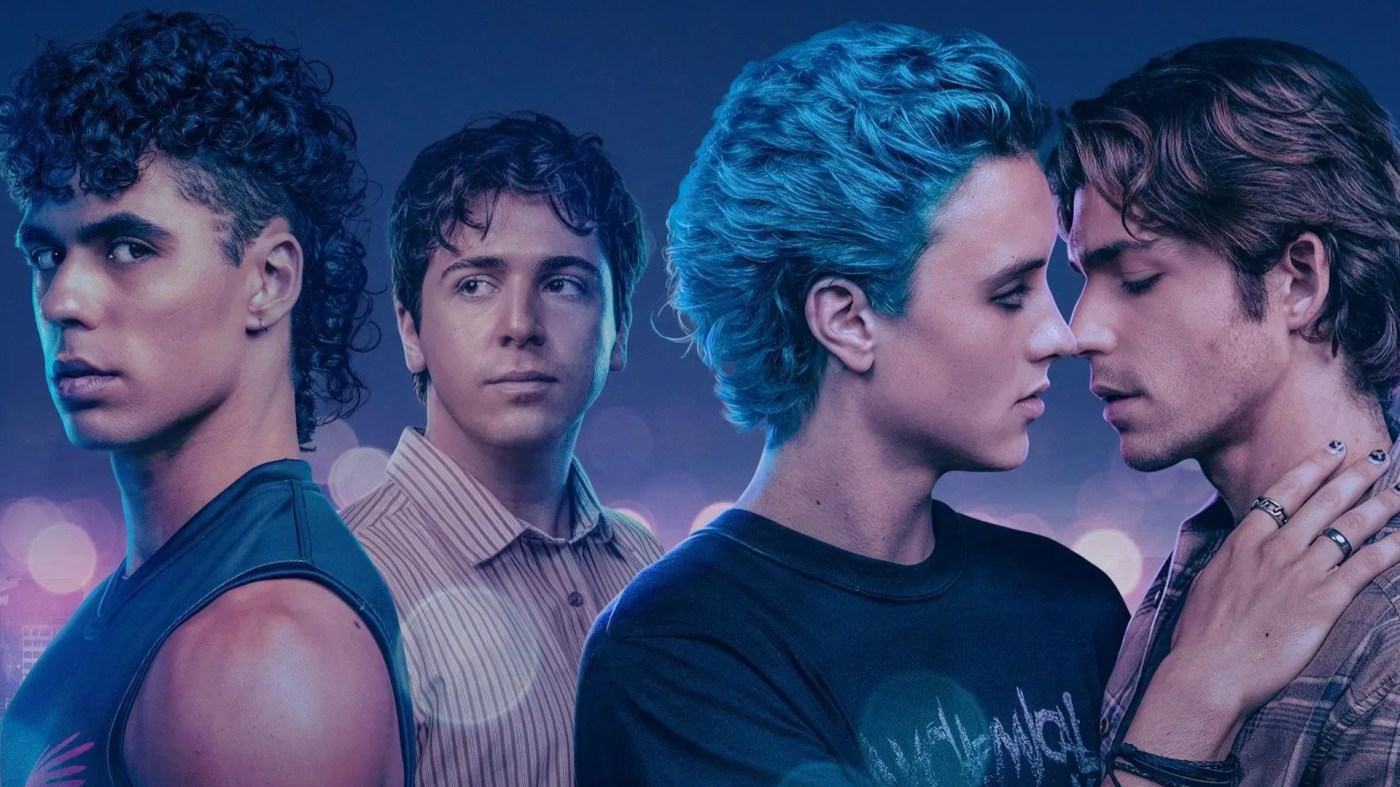
I strongly recommend watching Invisible Boys in its entirety before reading my review, which contains spoilers.
While I know perfectly know well that I can’t go into a Nicholas Verso world and then expect to leave dry-eyed, I also don’t mind the emotional ruin. After all, the creator of Nowhere Boys, Boys in the Trees and Crazy Fun Park regularly takes the more stimulating and vulnerable approach to male adolescence — that’s not something I see a lot of in modern American media. Invisible Boys, an Australian television series adapted from Holden Sheppard’s eponymous novel, offers more of Verso’s creative and penetrating prowess, however, and most notably, the subtext and coding found in those aforesaid stories have now been swapped out with unambiguous depictions of queer youth.
As much as I enjoyed Invisible Boys, I initially didn’t intend to write about it. I devoured every new episode with ease and anticipation yet still wasn’t compelled enough to jot down any serious thoughts. I then had a change of heart after the penultimate episode “Bees” left me shaken. It was there I felt compelled to, at the very least, come to the defense of a show being dismissed by some as trauma porn.
Before getting to that rather pivotal turn in the series, Invisible Boys treads familiar ground; closeted teens find love in unexpected places. The story backdrop of Australia’s 2017 same-sex marriage plebiscite adds an extra dose of tension to everything and makes the show’s portrayals of aggressive and confrontational homophobia more admissible. The ostensible main character is Charlie (Joseph Zada), and supporting him are his new boyfriend Matt (Joe Klocek) and two still-closeted classmates, Hammer (Zach Blampied) and Zeke (Aydan Calafiore). Charlie, Hammer, and Zeke come from different walks of life, but they each deal with similar problems at home and school. There is also a bit of privilege to those three; they have the agency that Klocek’s character Matt lacks. Of course, you don’t quite know the full extent of Matt’s personal problems until “Bees” comes up in the series.

Invisible Boys might have avoided the dreaded “trauma porn” label if it had simply ended with the fifth episode “The Coming Out Ball”. There the four characters finally gather in one scene after only existing in the same universe as opposed to coexisting. They lie under the stars together and escape their various stressors. Charlie and Matt, the latter being a bee farmer who Charlie picked up at a cruising spot, finally seem good after a rough start, and Hammer and Zeke are beginning their own romance. It’s a dreamlike and unspoiled moment characteristic of Verso’s previous YA works. As lovely and conclusive as this entire sequence feels, though, it’s really just the beginning of this whole story.
Too many folks nowadays would say queer storytelling doesn’t need to bring attention to our traumas anymore; we should instead focus on those happier experiences and more positive characters. Perhaps Invisible Boys is too much of an unpleasant reminder for some, and I gather “Bees” is what broke those viewers and caused them to turn on the series. In that episode, we find out that Matt’s life is more complicated than first realized.
As we see in “Bees”, Matt is actually living with an incredible amount of pain. A preview of that inner turmoil first comes up in the seventh episode “Country”, where Charlie visits Matt on his family farm, only to then learn how mundane and grueling his day-to-day routine is. The following episode “Cake” shows Charlie trying to make things work in a way that seems absolutely authentic for queer first-loves — you fought to have this, so why not fight more? — before Matt abruptly ends everything because he is being too sensible. They are from different worlds, and this wouldn’t work out in the long run.
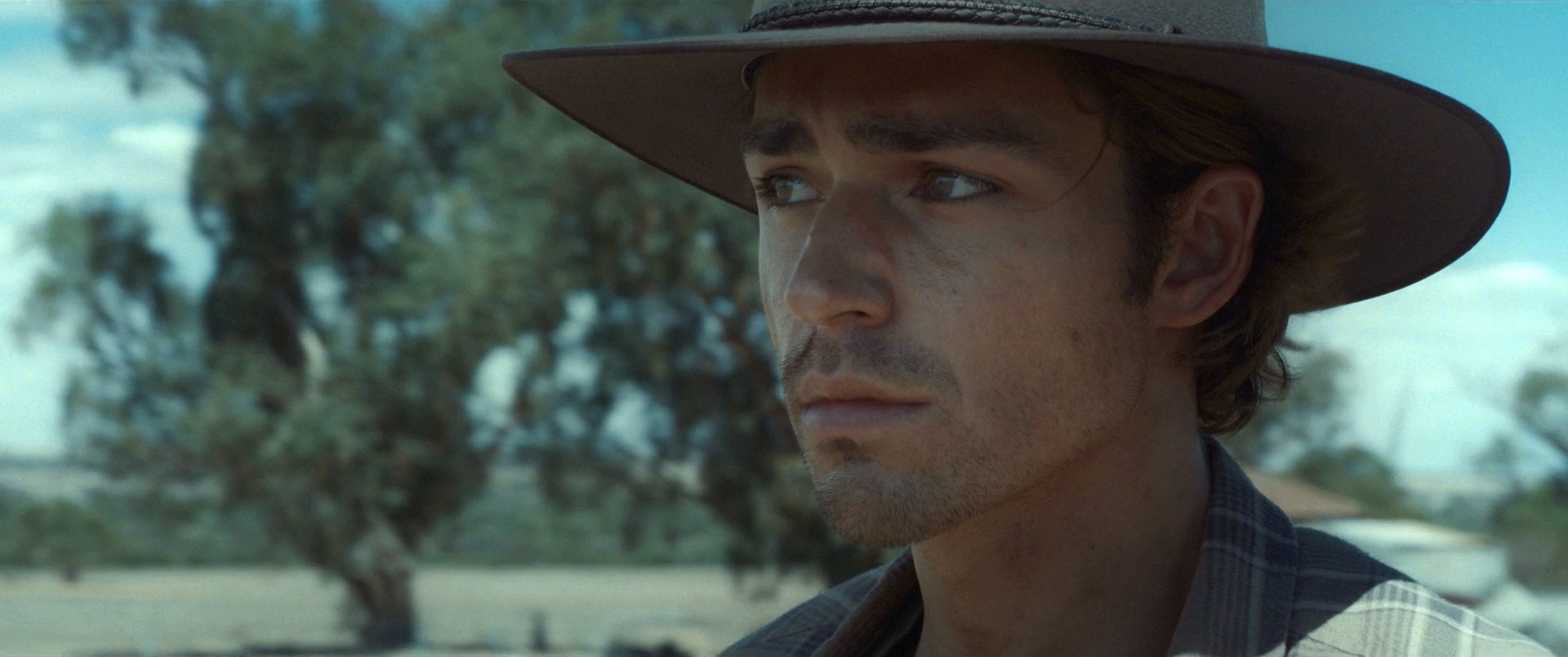
“Bees” is a character-driven episode that, like many before it, turns the drama dial all the way up. Klocek has a fantastic and praise-deserving turn here as a broken man pushed far past his limit. The solace he found in Charlie, while great, just wasn’t enough to change his direction. Everything here is presented as one long and heartbreaking sequence with no reprieve or interruptions; it comes at you in large and unstoppable waves. Artistic Director at Griffin Theatre Company, Declan Greene, contributed writing to only one episode, and his and Verso’s “Bees” is in a league of its own. Overall, it’s a tremendous piece of contemporary television that shouldn’t be overlooked or denied, regardless of how destroyed it makes you feel.
Up until “Bees”, I was fairly taken with Invisible Boys. Compelling, yes, but the series was also bordering on procedural, as far as young coming-out stories go. Then, the final two episodes changed everything; nothing was the same anymore, for the characters or myself. Now, surely some might take offense at this show’s portrayal of a deeply unhappy queer experience, either over its content or simply its existence, but speaking for myself only, I found a strange sense of comfort here. Above all, Verso paints complex queer characters and treats them with love, frankness and sympathy. That should be something we see more of, not less, in the media.
To echo the words of Charlie: “I felt less alone knowing that you were here.” Invisible Boys is really that powerful.
 Tales from the Paulside
Leave a comment