
Fairytales have gone and continue to go through cycles on screen, be it commercial-friendly retellings, or adaptations that bring these old stories closer to their origins. Tales from the Woods, an upcoming series from Wayward Entertainment (Get Away), leans towards—and into—the later mode. The two episodes made available for this review are just a sample of how this anthology will ultimately handle its source material. In summation: It’s about to get very dark in these woods.
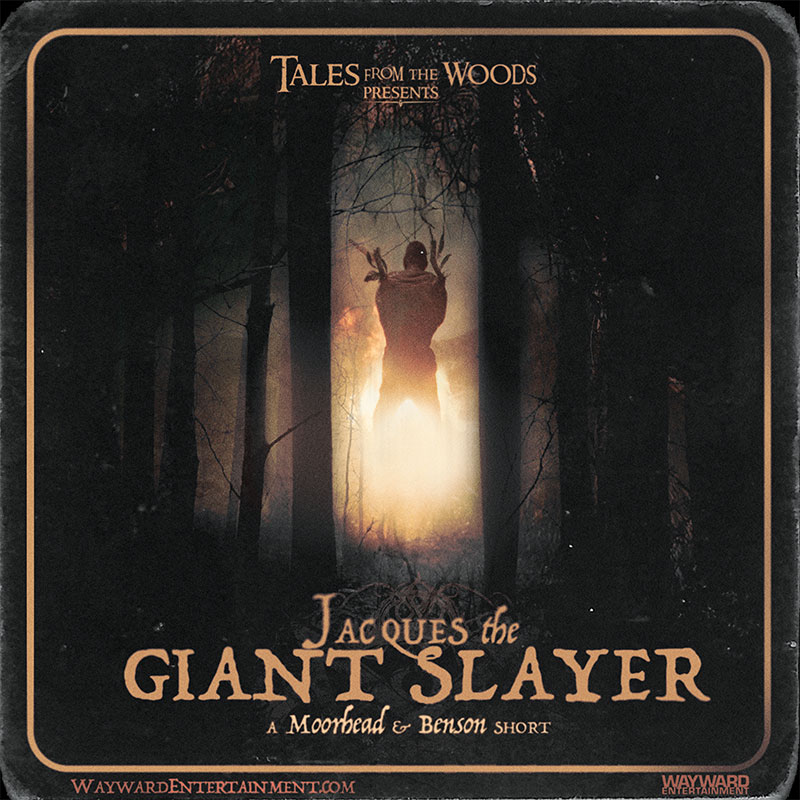
Best known for their indie genre darlings—the films Spring, Resolution, and The Endless—creative partners Aaron Moorhead and Justin Benson tackle the Cornish fairytale “Jack the Giant Killer”. Their episode, “Jacques the Giant Slayer“, is a period piece, yes, but one set far from Cornwall. At an archaeological dig, sometime in the early 20th century, Moorhead plays the titular archaeologist in search of a legend. Jacques and his team scour the earth beneath them, hoping to find Gigantopithecus.
It’s not long before science turns surreal, and Jacques is climbing the iconic beanstalk that leads to discovery as well as doom. Co-director and writer Benson plays the armless, horrific yet sympathetic giant whose lair this mere mortal has stumbled upon. You’re never quite sure if this is all really happening or not, based on the abruptness of scene changes and certain plot developments. Nevertheless, the validity of the story’s events doesn’t matter. You’re in for a cerebral fantasy story that affects your senses—sight, sound—and leaves you asking questions. The contemporariness of this visually arresting episode isn’t to be overlooked, either, seeing as how we have a character who can’t ever live in the moment.
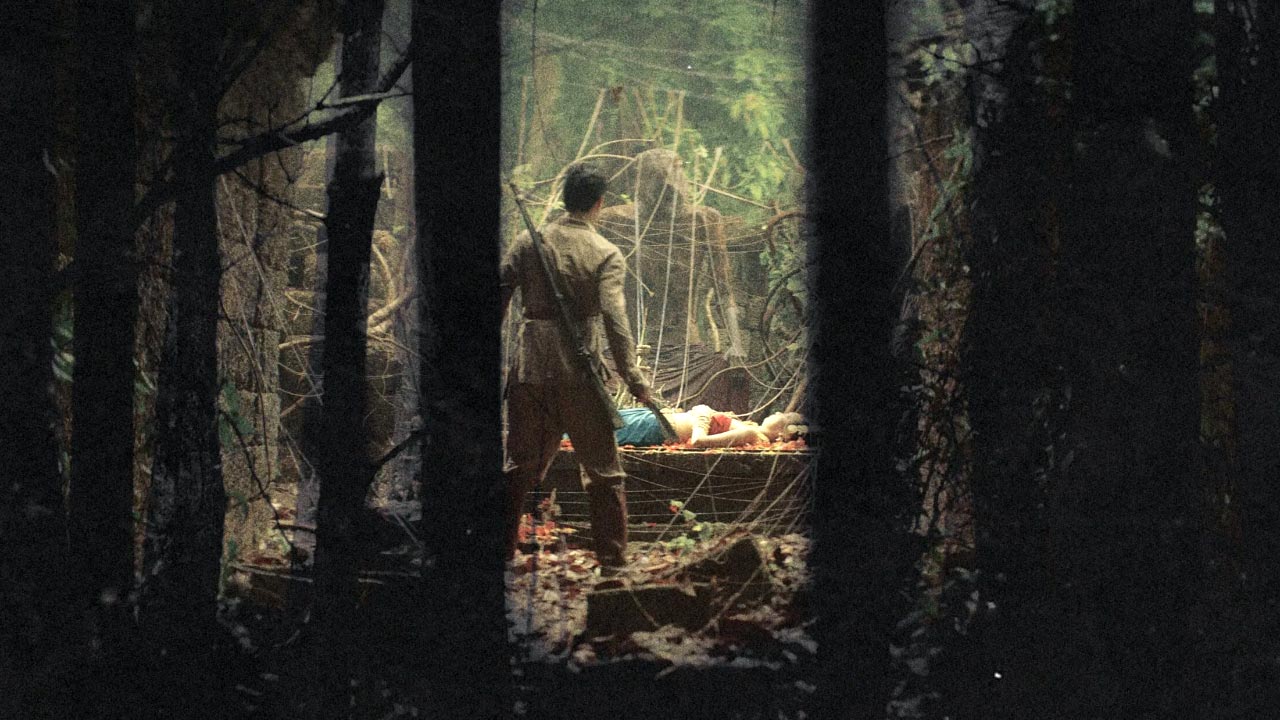
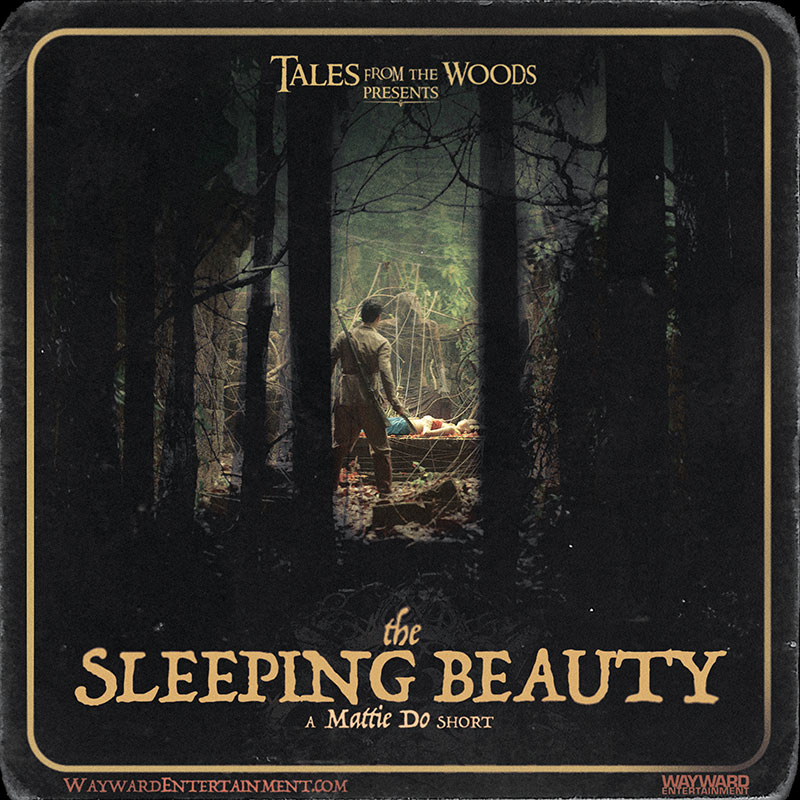
Laotian American filmmaker Mattie Do (2019’s The Long Walk) enters one of the most renowned fairytales around the world. Her direction on Christopher Larsen’s reimagining of “Sleeping Beauty” is explicit and unwavering. There is no turning away for either the characters or the audience as the story sinks into an unsettling place and never comes back up. This episode is, in some ways, more in line with its inspiration than what Disney imagined back then.
“The Sleeping Beauty” isn’t coy about colonization. In due time, the theme of taking what’s not yours is as undeniable as it is disturbing. A mother, the Laotian wife of a white governor, is at first a witness to a horrible crime against her own culture, then later an accomplice. The woman’s half-Laotian son brings home the story’s namesake, a slumbering, young woman he found inside a temple, and then violates her body and soul. With her comes a terrible curse that will forever haunt the violator—the colonizer.
In the end, there’s much to chew on in “The Sleeping Beauty”, although at the same time, there’s little guesswork to be had. This is due to the story’s hardly masked and rather visceral metaphors. With such a short runtime, however, it’s only natural to believe the point of this episode be made so sharply. Anthology series, more so than films, always have to negotiate between subtlety and nuance. In this instance, the “metaphorror” works because it’s done with consistency and brevity, whereas a longer feature would have felt taxing and drawn out.
Fairytales are eternally appealing, but they don’t always inspire the best or most thought-provoking work in contemporary fiction. Yet on the basis of these two offerings alone, Tales from the Woods is shaping up to be a worthwhile anthology. It’s delightful to see someone returning these stock and often-sterilized stories to their dark roots.
Tales from the Woods had its U.S. premiere at Fantastic Fest 2025. The series will be made available for streaming at a later date.
 Tales from the Paulside
Leave a comment